is tiger eyes sumac poisonous
It has stunning bright gold summer. You will not find poison sumac growing up on high dry hillsides where non-poisonous ornamental kinds typically grow.

Plant Profile Tiger Eyes Sumac
Sumac grows all over the world in North America Europe Middle East and the Mediterranean.

. Tiger Eyes sumac was first selected in July of 1985 in a Minnesota nursery by Steven Jorgensen a then new employee of Bailey Nursery Company. Vivid First Editions Tiger Eyes Cutleaf Staghorn Sumac. Continue to 2 of 13 below.
Sumac has upright fruit clusters usually red and covered in a velvet fuzz. This compact form of the staghorn sumac is considered to be superior to the species due to its manageable size and minimal suckering. This deciduous shrub is treasured for its.
Perfect Plant for Slopes Rain Gardens and Much More. It lacks the teeth that the leaf edge of a Rogers flower Rodgersia has for example. Sumac clusters are called drupes.
TIGER EYES is a dwarf golden-leaved staghorn sumac cultivar that typically matures to only 6 tall and as wide. Shining Sumac has wings on the rachis and is so shiny it looks like the leaves have been waxed. The edge or margin of poison sumac s leaflet is considered entire in plant-identification terminology and it displays a midrib of a lighter color.
Excellent Plant for Massing or Backdrop. Poison sumac is a shrub or small tree differentiated from the common sumac staghorn sumac Rhus typhina growing along US. The Tiger Eyes Sumac is an excellent and superior landscape shrub because of its unique yellow leaves and dwarf size.
One cultivar of Staghorn Sumac that has become very popular in recent years is Rhus typhina Baitiger PP16185 - First Editions Tiger Eyes Cutleaf Sumac. Name Rhus typhina Family Anacardiaceae Type shrub. List of key staghorn tree facts.
Its highly dissected leaves emerge a chartreuse hue but quickly turn a bright yellow. They have a fairly limited range of growth limited mostly to the eastern 13 of the country as illustrated in the maps above. Tiger Eyes Sumac Information.
Is tiger eyes sumac poisonous Sunday July 24 2022 Edit. It often grows in swamps bogs or wetlands sometimes with the roots and lower stems completely submerged. The finely divided foliage is bright golden yellow turning orange and red before falling in autumn.
Plants can be spaced 12 feet apart to create continuous planting. It was discovered in a cultivated nursery setting in July of 1985 as a whole plant mutation of R. Tiger Eyes Sumac Far Less Aggressive What Grows There Hugh Conlon Horticulturalist Professor Lecturer And Gardener Tiger Eyes Cutleaf Staghorn Sumac Johnson S Gardens Cedarburg Wi Sumac And Its Uses Berries Forum At Permies.
Height 16 feet 5 m Exposure full sun Soil ordinary. Smooth Sumac has none of the hair on the leaves. Space the plant 8 feet away from buildings.
The Tiger Eyes Sumac is a large upright shrub that will grow 10 to 12 feet tall and spread 12 to 15 feet. Hardy Thriller for Containers in Smaller Yards. The berries ripen in summer and tend to be wet and sticky when ripe.
Avoid wetting the shrubs leaves especially in evening. Foliage deciduous Flowering June to August. Rhus typhina Tiger Eyes looks particularly good when used as a focal point in the.
The taste is said to be sour and much like lemon. Staghorn sumac also called vinegar sumac is a short tree that grows in a roundish shape. Poison sumac Toxicodendron vernix or Rhus vernix is typically found in very wet areas.
Tiger Eyes Staghorn Sumac shrubs have chartreuse leaflets changing to yellow contrasting with pink stems. Chartreuse Yellow and Pink Color for Summer. Highways and roads in.
Its found very appealing for its fuzzy red fruit clusters but sometimes becomes. It is considered to be a superior landscape plant to Laciniata as well as to the species Rhus. Several Great Choices The most popular sumacs for landscape use are winged staghorn and smooth sumac either the native wild species or specially-bred cultivated varieties such as the golden leaf Tiger Eye sumac.
A dwarf variety its said to be less invasive than the species. Tiger Eyes showed up as a mutation sport off of a row of Dissecta the old green cut-leafed selection of staghorn sumac that was originally selected by a Massachusetts nurseryman in the late. It is a very showy shrub with striking orange and scarlet fall color.
A leaf margin that is entire is smooth. Tiger Eyes shrubs tolerate drought only after they are established in their location. Rhus typhina Tiger Eyes is a particularly attractive form of stags horn sumach.
Tiger Eyes Sumac Rhus typhina Bailtiger Plant Details. Water the Tiger Eyes shrubs to a depth of about 6 inches during their first two or three growing seasons whenever the top 3 inches of soil around the base of each plant dries. Yellow Orange and Scarlet Fall Color.

Tiger Eye Sumac Rhus Typhina Sumac Bonsai Soil Leaf Coloring
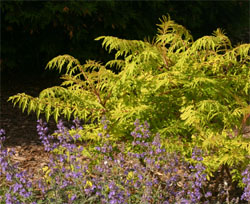
Tiger Eyes Staghorn Sumac Rhus Typhina Wisconsin Horticulture
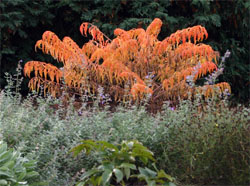
Tiger Eyes Staghorn Sumac Rhus Typhina Wisconsin Horticulture
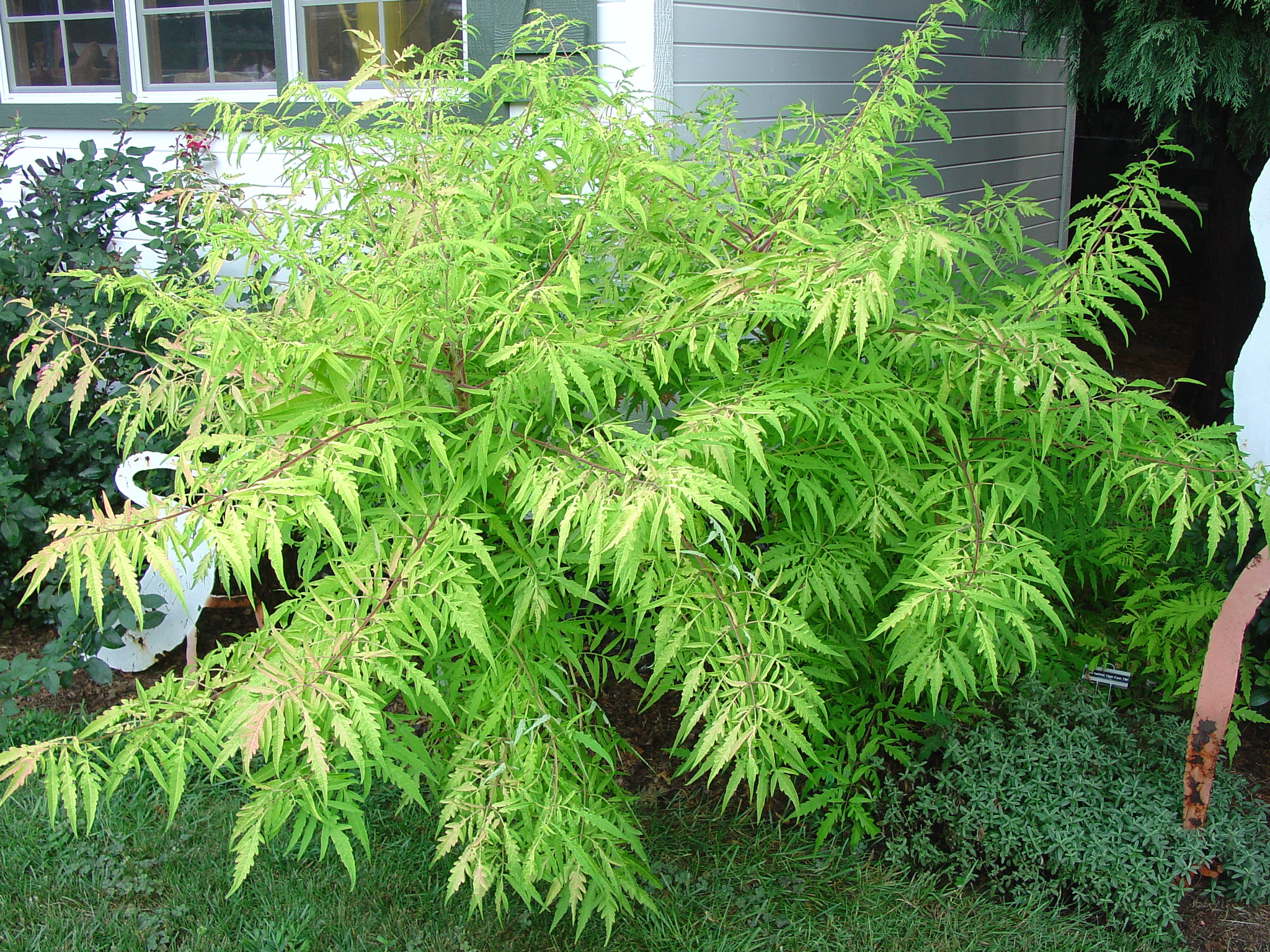
Tiger Eyes Sumac Far Less Aggressive What Grows There Hugh Conlon Horticulturalist Professor Lecturer And Gardener
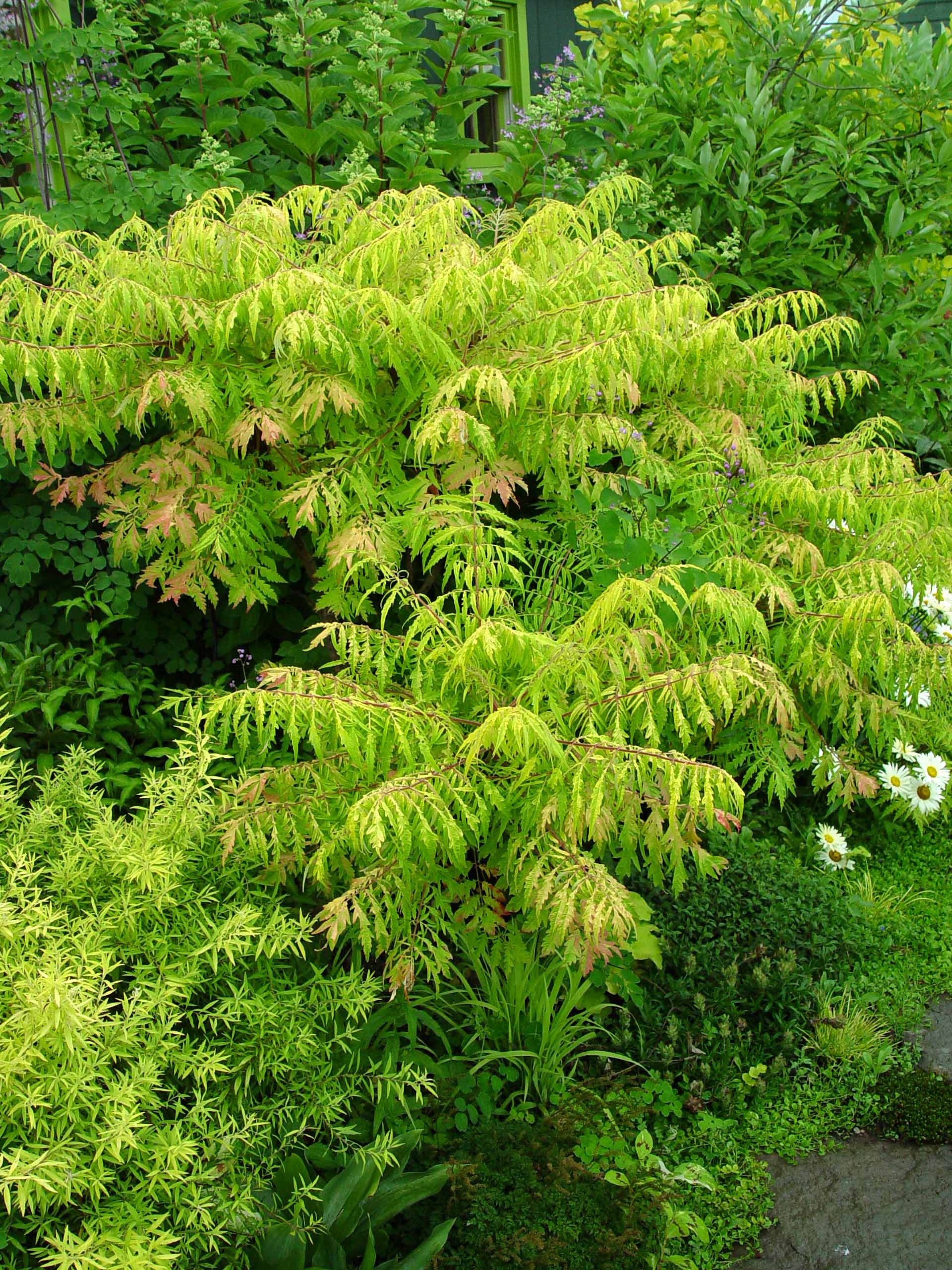
Sumac Tiger Eyes Garden Housecalls

Tiger Eyes Cutleaf Staghorn Sumac Johnson S Gardens Cedarburg Wi

Rhus Typhina Baitiger Tiger Eyes Sumac Garden Shrubs Plants Foliage Plants

Tiger Eye Sumac Rhus Typhina Bonsai Soil Leaf Coloring Leaf Structure

Rhus Typhina Tiger Eyes Bailtiger Tiger Eyes Cutleaf Staghorn Sumac Plant Life Plants Companion Planting

Tiger Eyes Cutleaf Staghorn Sumac Johnson S Gardens Cedarburg Wi
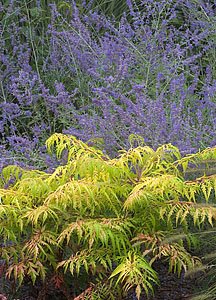
Country Gardener Gold Medal Plant Tiger Eyes Sumac

Tiger Eye Sumac Rhus Typhina Sumac Leaf Structure Bonsai Soil

Tiger Eye Sumac Rhus Typhina Bonsai Soil Leaf Structure Sumac

Fiddling Around In The Fall Garden Fall Landscaping Autumn Garden Garden Containers

Tiger Eyes Cutleaf Staghorn Sumac Johnson S Gardens Cedarburg Wi
Tiger Eyes Cutleaf Staghorn Sumac Johnson S Gardens Cedarburg Wi

Sumac And Its Uses Berries Forum At Permies

Click To View Full Size Photo Of Tiger Eyes Sumac Rhus Typhina Bailtiger At Oakland Nurseries Inc Trees And Shrubs Shrubs Yellow Shrubs

Sumac Tree Cultivation Care Varieties Plantura